"What Can I Actually Do With My IP Qualification?" Career Pathways for Pharmacist Prescribers
Are you a pharmacist considering an Independent Prescriber (IP) qualification but wondering how you'll actually use it? Or perhaps you've recently qualified and are exploring your options beyond traditional pharmacy?
In the first of our series on career pathways for prescribing pharmacists, we spoke with Nav Kapadia and Rupesh Patel, founders of Heal, who are helping pharmacist IPs establish profitable private practices. Their insights reveal practical ways to leverage your prescribing qualification into new career opportunities.
Is the IP Qualification Worth It?
"There is no way they can survive without an IP," Nav told us bluntly. With pharmacy consolidation accelerating and the NHS contract evolving, the message was clear: becoming an IP isn't just about adding credentials—it's about future-proofing your career.
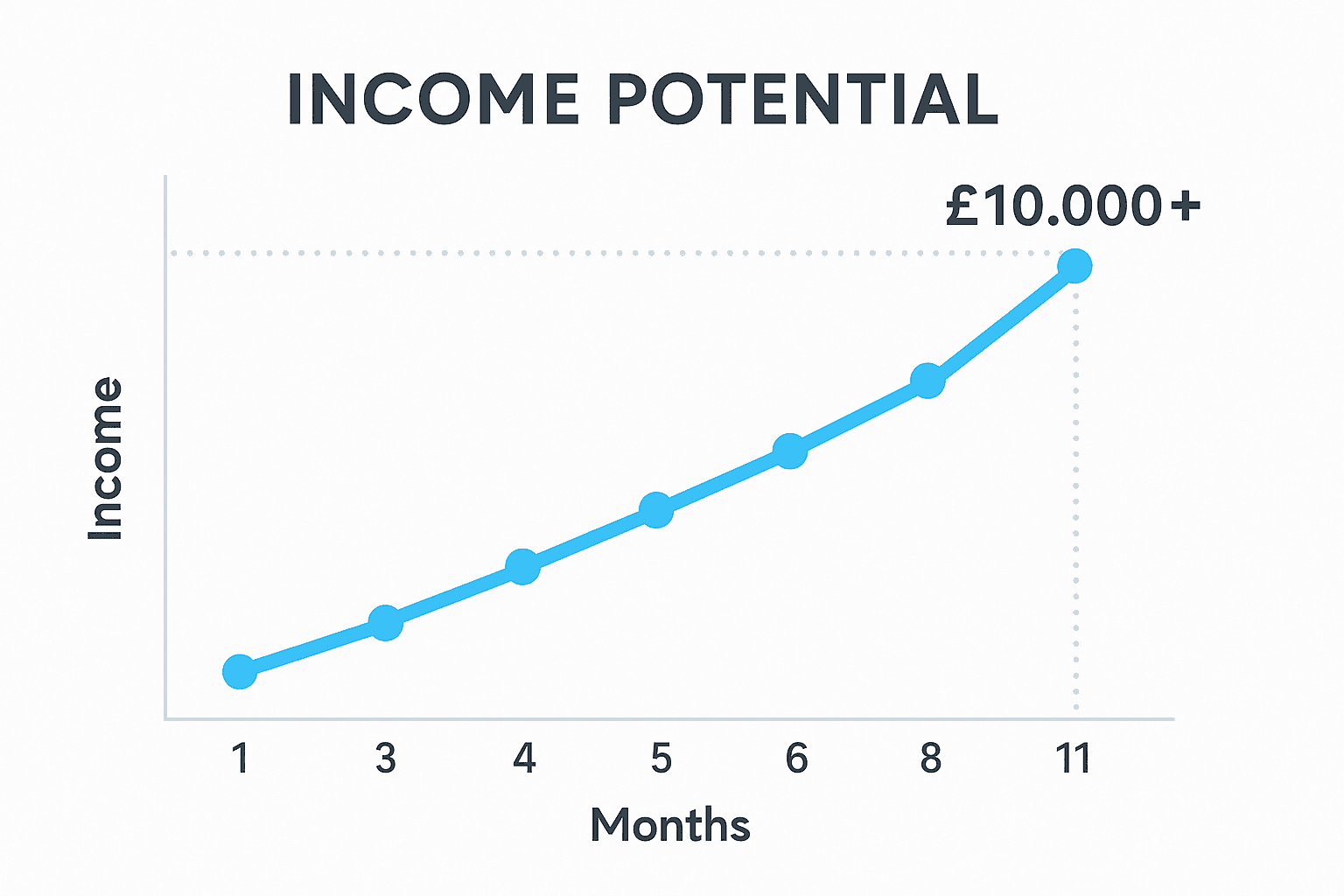
For the hesitant pharmacist, there's good news: the potential return on investment is substantial. When asked about income potential, Nav and Rupesh shared impressive figures from their platform, which now has over 1,800 users including IPs and private clinics:
Average IP earns upwards of £2,300+ per month
Top-performing IPs earn in excess of £5,300 per month
Pharmacy partners earn upwards of £4,300 per month
Many are earning up to £10,000+ by month 11 when they implement effective marketing strategies, which Heal helps them develop
These figures demonstrate the significant earning potential available to pharmacists who successfully leverage their IP qualification.
What Career Paths Can I Pursue With My IP Qualification?
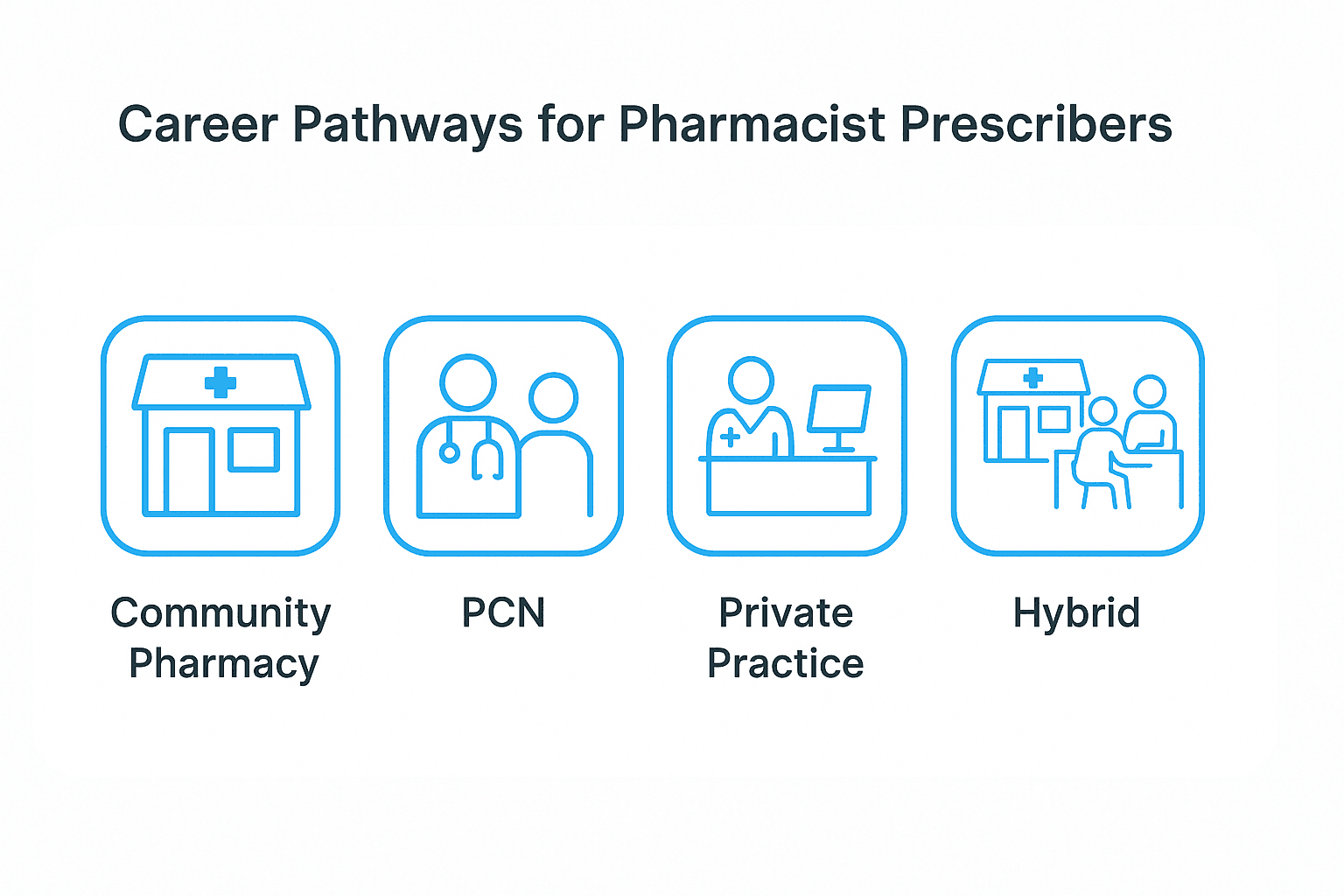
Based on our conversation with Nav, Rupesh and other industry experts, we've identified several key pathways for pharmacist prescribers:
1. Enhance Your Community Pharmacy Role
Perhaps the most straightforward option is to use your IP qualification within your existing community pharmacy setting. This might involve:
Leading pharmacy-first consultations
Establishing specialist clinics (e.g., hypertension, asthma management)
Becoming more valuable to your employer through expanded services
However, as Nav pointed out, there's a challenge here: "You're constantly signing off a prescription," making it difficult to focus dedicated time on clinical services.
2. Join the Primary Care Network
Many IPs find opportunities within GP practices and PCNs, where their prescribing skills are increasingly valued. This pathway offers:
Structured clinical roles
Clear scope of practice
NHS pension and benefits
Established patient base
3. Establish a Private Practice
This is where platforms like Heal are creating new opportunities for pharmacist IPs:
Set up your own weight loss, hair loss, menopause, or other specialist clinic
Use clinical management systems designed specifically for pharmacist prescribers
Start with flexible arrangements before committing to full-time private practice
"They can do it both," explained Rupesh. "The majority of them who are working with us today are freelancing... we help them with their marketing itself. We help them saying how to go out to market, we help them set up website, we help them set up lead generation."
4. Hybrid Models: Combining NHS and Private Work
Many successful IPs are taking a pragmatic approach by combining NHS and private work:
Maintain part-time NHS positions for stability
Develop private services in specific areas of interest
Gradually transition as your private practice grows
This approach reduces risk while allowing you to explore private opportunities.
What Areas of Practice Offer the Best Opportunities?
Not all clinical areas offer equal opportunities for pharmacist prescribers. According to Nav and Rupesh, these specialties show particular promise:
High-Demand, Low-Complexity Services
Weight Management: "Weight loss is so popular," noted Nav, making it an accessible entry point
Hair Loss Treatment: Described as having "high revenue, high margins" with "regular subscriptions"
Menopause Care: A growing area with significant demand
Areas Requiring More Specialist Knowledge
Dermatology: "That's where you can really extend in IPs pathway," Rupesh noted
Aesthetics: A growing area where additional specialised training can lead to significant income potential
Private Health Screening: "Health screening is massive and it's going to become more prevalent"
How Do I Actually Start Seeing Private Patients?
This is where many IPs struggle. The interview revealed several practical approaches:
Option 1: Use an Existing Platform
Platforms like Heal offer a structured way to begin:
Access to pre-existing patient demand
Clinical management systems that meet regulatory requirements
Training in specific clinical areas
Support with referrals for complex cases
"Any IP that is using our platform has two choices," explained Nav, "work for themselves, which means bring their own patients and use as prescribing platform, or serve Heal's patients" through their network of pharmacies nationwide.
Option 2: Transform Your Pharmacy Space
For pharmacy owners, there's an opportunity to repurpose existing space:
Convert retail areas to clinical consultation rooms
Create separate entrances for private services
Establish distinct branding for clinical services
"Forward-thinking pharmacists are converting their spaces," noted Rupesh, describing those who are successfully transitioning their physical spaces.
Option 3: Join or Create a Health Hub
Looking ahead, the founders described emerging "health hub" models:
Practitioner-owned collectives where IPs share space and resources
Purpose-built clinical environments attracting multiple practitioners
Spaces designed specifically for private healthcare delivery
What About the Technical and Regulatory Aspects?
A key takeaway from our conversation was the increasing importance of proper clinical systems:
Paper-based recording is no longer acceptable to regulators
The GPhC and CQC require auditable digital records
Proper clinical management systems are essential for prescribers
"The minute the GPhC found out, GPhC took them on and said, no, you can't do this," Nav explained, describing a practitioner who tried using an iPad for clinical notes. "For you to continue prescribing and operating private services, we would like you to switch to a clinical management platform."
How Do I Handle Patients Outside My Expertise?
This common concern was addressed directly in the interview. Platforms like Heal offer:
Built-in triaging systems to refer complex cases
Access to GP support when needed
Clinical decision support tools
"If it's outside my scope above my competency level, then I can just say, OK, well, I'm gonna refer you to my senior," explained our interviewer, highlighting how this safety net gives new prescribers confidence.
What Does Success Look Like?
For those still unsure about taking the IP plunge, the founders shared examples of pharmacists who have successfully transitioned:
A pharmacist who established a private clinic without an NHS contract, focusing entirely on private services
IPs who started with Heal's support and gradually built their own patient base
A pharmacist who maintained NHS service while developing specialty private clinics
Next Steps: How Do I Get Started?
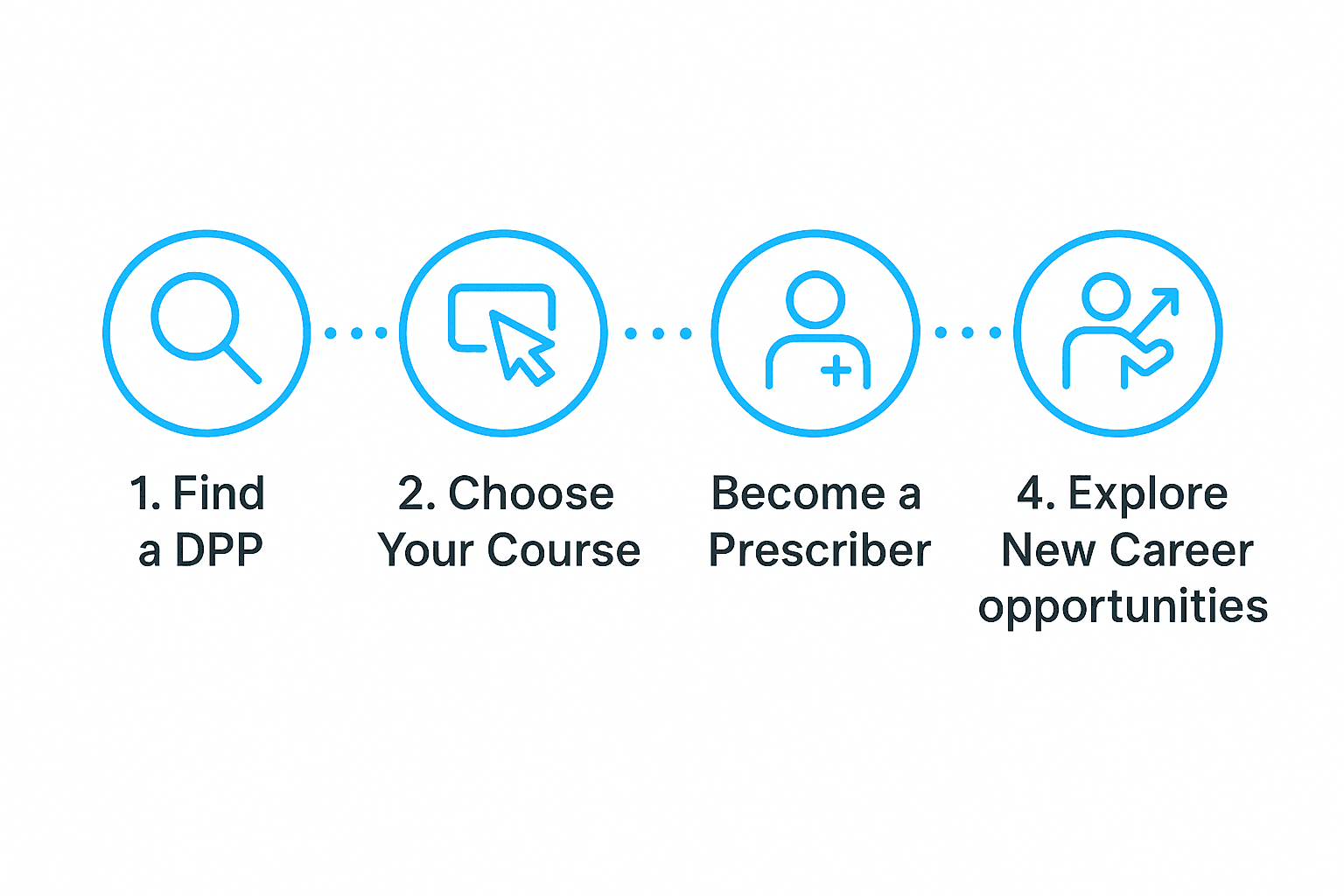
If you're convinced that obtaining your IP qualification is the right move, here are practical next steps:
Find a DPP: Connect with a Designated Prescribing Practitioner through DPP Connect
Choose Your Course: Select a university program that fits your schedule and learning style
Become a Prescriber: Complete your IP qualification and register with the GPhC
Start with Accessible Specialties: Begin with areas that are easier to practice and build competence in, then gradually upskill in additional specialties based on demand and interest
Explore New Career Opportunities: Consider which career pathway best suits your goals—whether enhancing your current role, joining a PCN, establishing a private practice, or creating a hybrid model
---
This article is the first in our series exploring career opportunities for pharmacist independent prescribers. In future installments, we'll interview successful IPs in various specialties and practice settings to provide even more practical insights.
For more information about obtaining your IP qualification through DPP Connect, visit our website.